Decision-making app designed to reduce the friction of choosing what to eat.

CHOOS explores how lightweight decision systems can help users move past indecision faster. Built around the everyday question of “what should we eat?”, the product transforms food discovery from an overwhelming browsing experience into a guided, low-friction flow optimized for quick group decisions.
Sandbox
Role
UI/UX Design
Graphic Design
Branding
Year
2022
Tools
CHOOS
Food
Designed for iPhone
Free
🤪 Not in production, just in my head (and Figma)
Overview
CHOOS was designed around a simple but highly repetitive problem: deciding what to eat often takes longer than the meal itself. Between endless scrolling, conflicting preferences, and too many choices, food decisions quickly become mentally exhausting — especially in group settings.

The concept explores how decision fatigue can be reduced through a more guided and interaction-driven experience. Instead of overwhelming users with large restaurant directories and filters, CHOOS narrows the process into lightweight, fast-moving choices that help users reach consensus with less friction and less back-and-forth.
The Problem
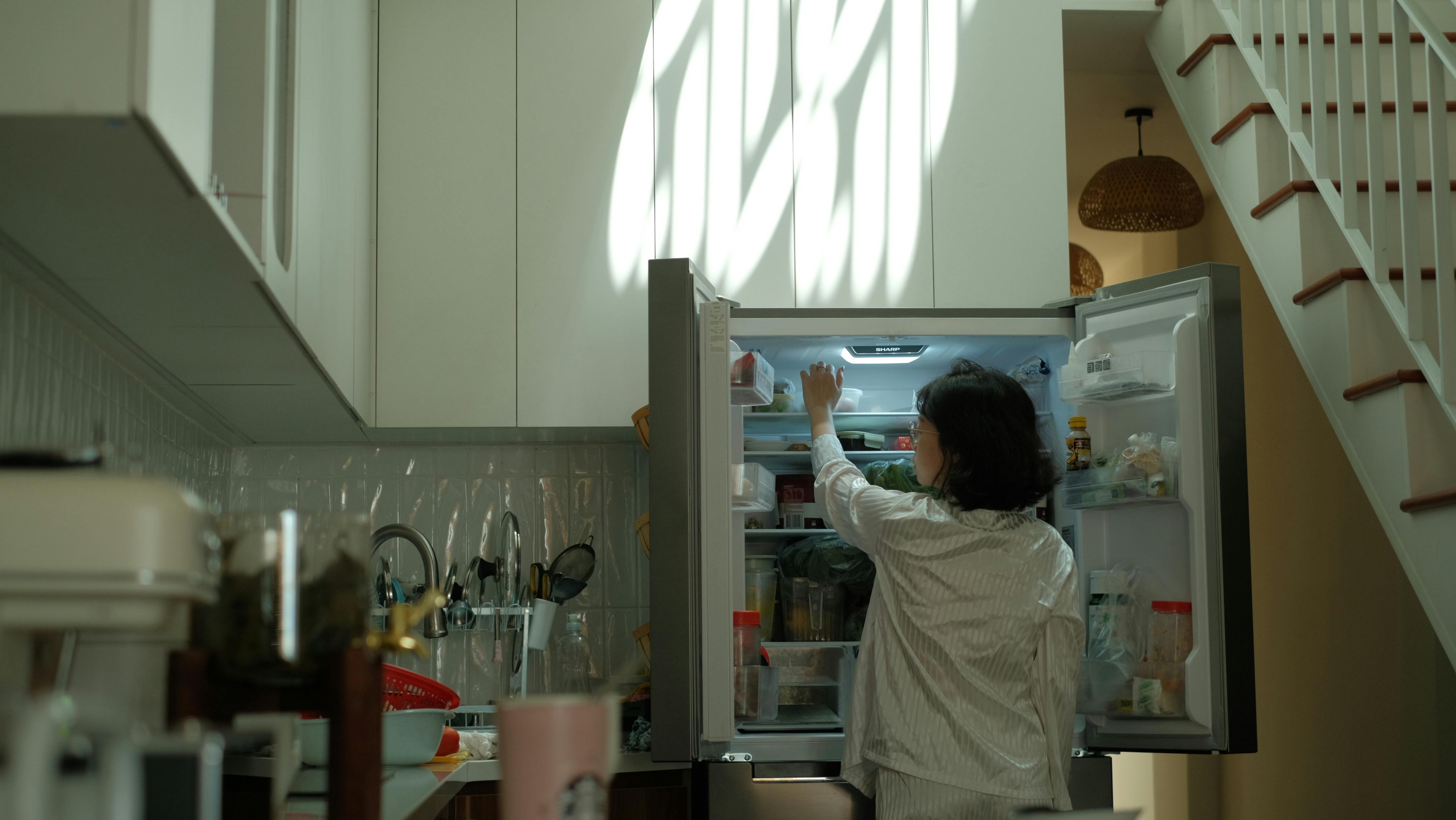
Many people want to cook at home more often, but the experience breaks down long before they even start cooking:
→   Deciding what to cook often feels overwhelming
→   Recipes and ingredient lists are usually separated
→   Building a complete shopping list is time-consuming
Source: Pexels.com
The Problem
Modern food discovery platforms optimize for browsing depth, but not necessarily for decision completion.

This creates several friction points:
→   Too many restaurant options create decision paralysis
→   Group food decisions rely heavily on verbal coordination
→   Users spend more time scrolling than actually deciding
→   Filtering systems still require high cognitive effort
→   Food discovery apps prioritize exploration over commitment
→   Conflicting preferences slow down group consensus
→   Repeated indecision creates frustration around otherwise simple tasks
Source: Pexels.com
Design Goals
The system was designed to:
→   Shorten the time between browsing and commitment
→   Simplify group coordination during meal selection
→   Replace overwhelming lists with guided interactions
→   Reduce cognitive load during restaurant discovery
→   Encourage faster consensus across multiple users
Research & Insights
The research phase focused on understanding why food decisions feel disproportionately difficult despite the abundance of available options.

Findings were synthesized from common user behaviors around restaurant browsing, group dining habits, and decision-making fatigue.
Key issues
Users often spend more time deciding what to eat than actually ordering.
Food decisions become significantly harder in social settings where multiple preferences, budgets, and cravings need to align simultaneously.
Traditional discovery platforms encourage exploration, but rarely help users confidently arrive at a final choice.
Users respond better to lightweight, interactive decision flows that reduce complexity and create faster momentum toward commitment.
Design
Approach
The product was designed around speed, clarity, and low cognitive effort. Instead of treating restaurant discovery as a large searchable database, the experience reframes it as a lightweight decision-making flow optimized for momentum.

The interface prioritizes quick interactions, strong visual hierarchy, and progressive narrowing of choices to prevent users from feeling overwhelmed. Interactions were intentionally designed to feel conversational and dynamic, helping users move toward decisions naturally instead of forcing them through heavy filtering systems.

Rather than maximizing the number of visible options, the design focuses on reducing hesitation — creating an experience where choosing feels easier, faster, and more collaborative.
The UI is playful and minimal, using a bright, friendly color palette to create an inviting feel. Large buttons, smooth animations, and interactive elements like a ‘shuffle’ feature enhance user engagement. The overall design ensures that making a decision is as simple as a tap—eliminating the stress of choice overload with a fun, intuitive experience.
Turning “what should we eat?” into an actual answer.
See other UI/UX projects